+86 186 3170 8948
+86 186 3170 8948

Knowledge
Jan. 18, 2026
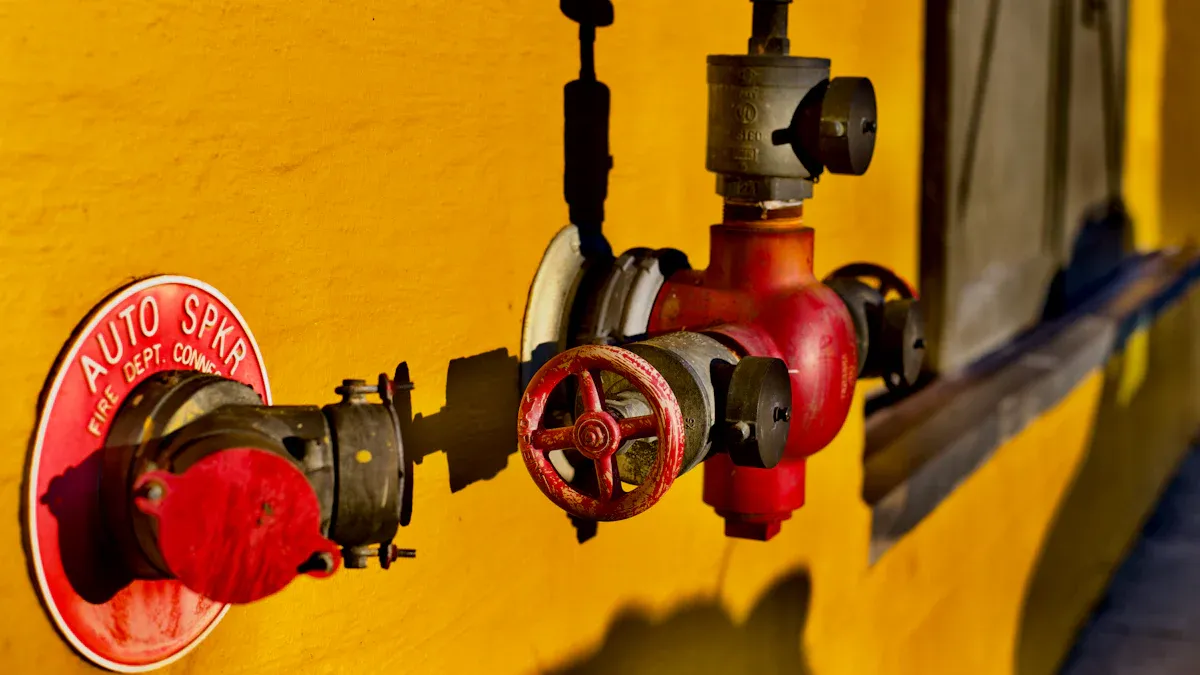
A ball valve is a shut-off valve that controls the flow of a liquid or gas. It uses a rotary ball with a bore to manage the flow path. These valves are a common choice in many systems due to their reliable sealing and simple operation. The design of this valve makes it one of the most dependable valves for shutoff applications.
The defining feature of a ball valve is its quick, quarter-turn operation. An operator turns the valve handle 90 degrees to move the valve from fully open to fully closed. When the valve is open, the hole in the ball aligns with the pipe, allowing fluid to pass through. A turn of the handle rotates the ball, blocking the flow path completely. This simple mechanism provides a clear visual indicator of the valve's status. The handle's position, either parallel or perpendicular to the pipe, shows if the valve is open or closed. This rapid action makes these valves ideal for emergency shut-off scenarios.
A standard valve consists of four main parts: the body, the rotary ball, the stem, and the seats. The valve body houses the internal components. The stem connects the external handle to the internal ball, transmitting the turning motion. The seats are crucial for creating a tight seal between the valve body and the ball. The material choice for these seats is critical for the performance of these valves. Engineers select materials based on temperature, pressure, and chemical compatibility.
Common Seat Materials
PTFE (Teflon): Offers very low friction and excellent chemical resistance. It is a versatile choice for many applications.
PEEK: Provides superior chemical resistance and performs well in high-temperature environments like hot water and steam.
Acetal (Delrin): Delivers great rigidity and toughness, making it suitable for high-pressure service.
These components work together to ensure the valve provides a bubble-tight seal when closed, a key advantage of these valves.
Engineers often choose a ball valve for its distinct operational benefits. These valves offer a combination of speed, reliability, and efficiency that many other valve types cannot match. The design of these valves provides significant performance gains in specific applications. Understanding these strengths helps in selecting the right valve for a system.
The primary advantage of a ball valve is its rapid operation. A simple 90-degree turn of the handle moves the valve from fully open to fully closed. This quarter-turn action provides an immediate shut-off capability. This speed is critical in emergency situations where flow must stop instantly. The handle's position also gives a clear visual cue about the valve's status. This quick response makes these valves a top choice for process lines requiring frequent and fast control.
A ball valve provides excellent sealing performance. When the valve is closed, the ball presses firmly against the seats, creating a bubble-tight seal. This tight closure prevents leaks, which is crucial for applications involving gases or hazardous fluids. The design ensures that even after many cycles, the valve maintains its sealing integrity.
Pro Tip: The effectiveness of the seal makes these valves ideal for natural gas and chemical storage applications where preventing any leakage is a top priority. This sealing capability is a major advantage over other valves.
Ball valves are known for their durability and long service life. The simple design has fewer moving parts compared to more complex valves, which reduces potential wear and tear. The operational motion of the ball also creates a self-cleaning effect. As the ball rotates, it wipes the seats clean of any debris, preventing buildup that could compromise the valve. This robust construction means the valve can perform reliably for many thousands of cycles with minimal maintenance, making the ball valve a cost-effective and dependable component for long-term shut-off service.
The design of a ball valve offers a significant advantage in terms of size, weight, and overall cost. These valves typically have a smaller physical footprint compared to other valve types, such as gate valves. The simple internal mechanism, centered around a rotating ball, requires less space. This compact nature makes the ball valve an excellent choice for installations where space is limited. For example, engineers often use these compact valves on skid-mounted equipment, saving as much as 35% in space.
One-piece ball valves further highlight this efficiency. Manufacturers construct this type of valve from a single piece of material that houses the ball. This singular construction results in an exceptionally compact and cost-effective valve, perfect for moderate, less demanding applications. The smaller size and simpler manufacturing process generally make ball valves less expensive than gate valves, especially in smaller dimensions. This cost efficiency extends to different valve configurations.
Reduced port ball valves provide a budget-friendly alternative for large-bore applications. An 8-inch reduced port valve, for instance, matches the diameter of a 6-inch pipe. This design offers a more economical solution than a full port valve of the same nominal size.
This cost-effectiveness makes these valves a popular choice for systems where upfront cost is a major consideration. An office building’s HVAC system might use compact ball valves to achieve a 30% lower initial cost. The combination of a smaller size, lighter weight, and lower price makes this valve a highly practical and economical component for a wide range of fluid control systems. Many industries prefer these valves for their efficient and affordable design. The right valve selection balances performance with budget, and these valves often meet both needs.
While a ball valve offers many advantages, engineers must also consider its limitations. These disadvantages make the valve unsuitable for certain applications. Understanding these cons is crucial for proper valve selection and system integrity. The wrong choice can lead to operational problems and potential damage.
A ball valve is not designed for throttling or precise flow control. Its primary function is on/off service. When an operator partially opens the valve to regulate flow, the high-velocity fluid can erode the ball and seats. This erosion quickly damages the valve's sealing surfaces, leading to leaks when the valve is fully closed. The design of standard valves does not allow for fine adjustments to the fluid flow.
Specialized Solution for Flow Control
Previous post
Botou Yaxing Fluid Equipment Co., Ltd. specializes in providing design, development, and manufacturing services for the water valve industry. We produce high-quality valve products.

+86 186 3170 8948
No.4 Road Botou Industrial Zone, Cangzhou City Hebei Province, China
Get Free Sample
 Privacy Policy