+86 186 3170 8948
+86 186 3170 8948

May. 06, 2026
Water treatment valves play a vital role in protecting every water supply. These valves stop contaminants from entering the water, keeping it safe for use. Flow control valves manage water movement and pressure. Industrial water valves, including gate valves, air valves, and Y strainers, help maintain clean water. Water treatment valves ensure safety and reliable supply.
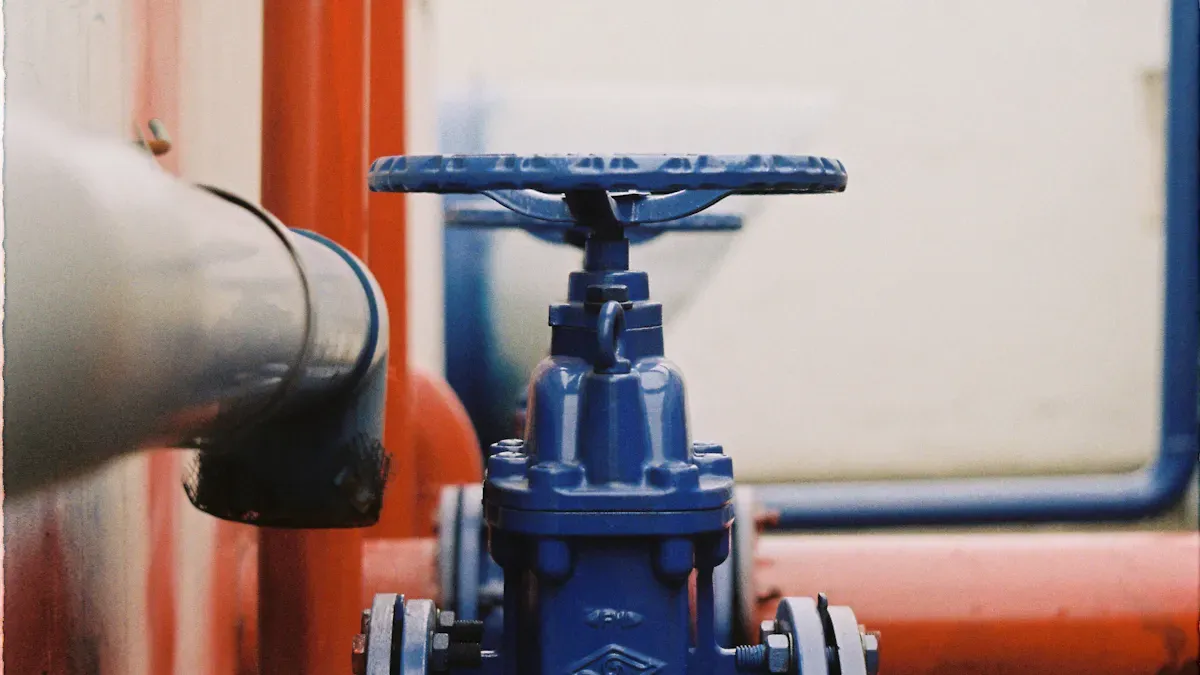
Modern water systems rely on several types of flow control valves to maintain safety and reliable operation. Each valve type serves a unique function in plumbing and water management. The following table outlines the main categories and their roles:
Type of Valve | Function Description |
|---|---|
Isolation Valves | Control and direct fluid flow; includes Gate and Butterfly valves. |
Protective Valves | Prevent backflow and protect systems; includes Check, Pressure Relief, and Air valves. |
Control & Regulating Valves | Maintain pressure and flow rates; includes Pressure Reducing, Flow Control, and Float valves. |
Filtration & Accessories | Remove debris and protect equipment; includes Y Strainer. |
Common water control valves found in municipal and industrial plumbing include Reduced Pressure Zone Valves, Pressure Reducing Valves, and Thermostatic Mixing Valves. These flow control valves help prevent contamination, regulate pressure, and ensure consistent water temperature for safety.
Flow control valves perform essential tasks in every water system. They isolate sections for maintenance, regulate flow rates, and manage pressure. Gate valves and butterfly valves provide on/off shutoff for isolation. Flow control valves balance flows and stabilize system performance. Pressure reducing valves and pressure relief valves keep pressure at safe levels. Check valves prevent backflow, which protects plumbing from contamination. Y strainers and air valves remove debris and trapped air, supporting system reliability and compliance with regulations. These functions ensure safety and compliance at every stage.
Water flow control valves operate at key points in the water system. At intake, gate valves and butterfly valves isolate raw water lines. During treatment, knife gate valves and pinch valves handle abrasive flows. In clarification and filtration, butterfly valves and plug valves balance flows and isolate basins. Disinfection uses lined ball valves and plug valves for chemical control.
Sludge handling relies on knife gate valves and pinch valves. In distribution, butterfly valves and gate valves manage flow and allow for maintenance shutdowns. Automated flow control valves improve response times and support predictive maintenance, which increases safety and compliance with regulations. These valves ensure water safety from intake to final delivery, making them vital for all flow control applications in plumbing.
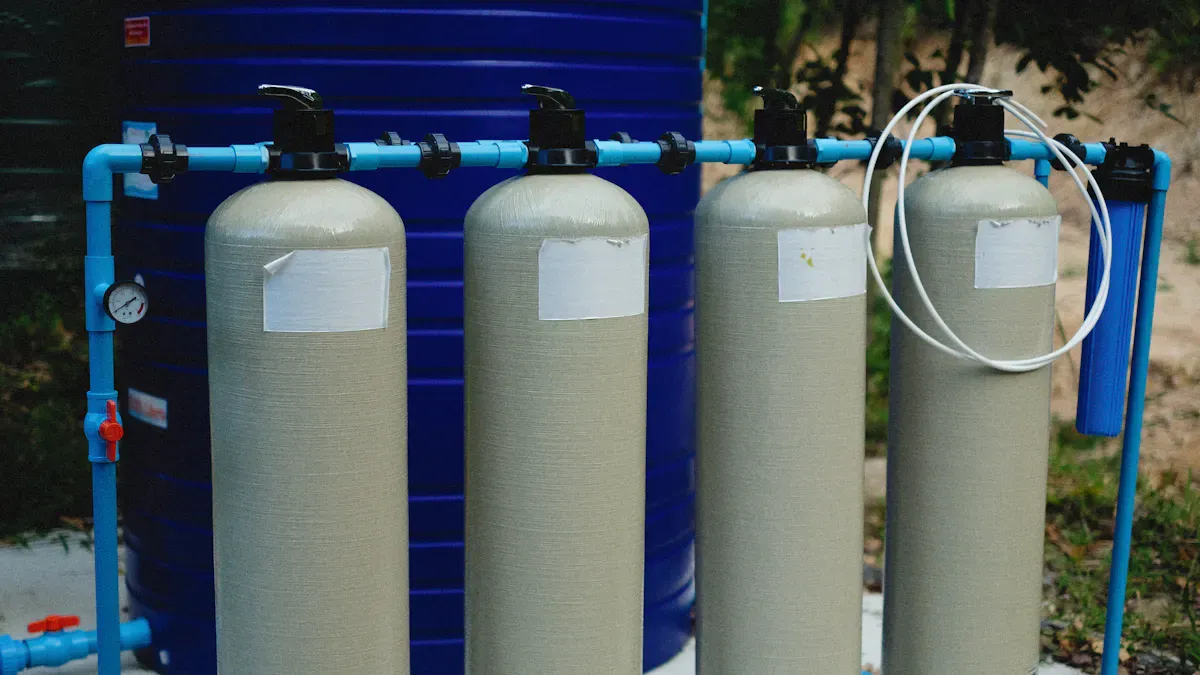
Water treatment valves play a critical role in plumbing health and safety by preventing backflow. Backflow happens when water flows in the wrong direction, which can bring contaminants into clean water supplies. Valves designed for backflow prevention use advanced control methods to stop this risk. These devices protect water quality and help maintain safety in every part of the system.
Device Type | Function | Application Area |
|---|---|---|
Automatic Shutoff Valves | Close the water supply when backflow is detected, stopping contaminants. | General plumbing systems |
Reduced Pressure Zone (RPZ) | Blocks reverse flow by adjusting internal parts based on pressure. | High contamination risk areas |
Air Gap | Maintains a physical space to prevent backflow of contaminants. | Fixtures with potential contamination |
Double Check Valves | Require both valves to fail for backflow, providing extra safety. | Low to medium contamination risk areas |
These valves use real-time monitoring and wireless alerts to improve plumbing health and safety. Quick automatic shutoff and durable, corrosion-resistant parts add extra layers of control. Water systems face many threats, including bacteria, chemicals, heavy metals, and wastewater. The following list shows common contaminants that backflow prevention valves block:
Bacteria and pathogens from toilets, sinks, or medical equipment
Chemicals such as cleaning agents, industrial solvents, pesticides, and antifreeze
Heavy metals from old plumbing or industrial machinery
Wastewater from sewage and gray-water systems
Process materials from manufacturing, laboratories, or HVAC systems
By controlling backflow, these valves reduce bacterial contamination and health risks. They help ensure water safety for homes, businesses, and public facilities.
Pressure changes can damage water systems and threaten plumbing health and safety. Water treatment valves use control strategies to manage these fluctuations. Pressure reducing valves (PRVs) are essential for this task. They control outlet pressures and adapt to changing flow demands. PRVs keep pressure at a safe, steady level. This control reduces leaks and protects pipes from bursts. Stable pressure also helps maintain water safety and system reliability.
Operators use these valves to control water movement and prevent sudden surges. This approach supports maintaining safety and extends the life of plumbing systems. Consistent pressure control also helps prevent bacterial contamination by reducing the risk of pipe failures and leaks.
Air, debris, and bacteria can enter water pipelines and cause problems. Water treatment valves use several control methods to stop these threats. Air valves remove trapped air and prevent airlocks. This action keeps water flowing smoothly and supports plumbing health and safety. Treatment chemicals and biocides help control bacterial growth and stop debris from building up.
Evidence Type | Description |
|---|---|
Air Valves | Help prevent airlocks and control flow in water treatment systems, thereby reducing air accumulation. |
Treatment Chemicals | Manage bacterial growth and prevent debris intrusion, maintaining stable water quality. |
Operators use supplemental biocides and microbiological control agents for preventing bacteria growth. These agents keep surfaces clean and support stable system performance. In closed loop systems, small amounts of oxygen and debris can still enter. This can lead to bacterial contamination, which lowers heat transfer efficiency and increases corrosion. Water treatment valves help control these risks and support maintaining safety in every part of the system.
Valve-based control of bacterial contamination improves public health outcomes. By preventing bacterial growth, these valves reduce the risk of disease and other health risks. They play a key role in maintaining water safety and protecting communities from plumbing health and safety threats.
Yaxing Valve offers a wide selection of valves and anti-legionella valves designed for water systems. Their product range supports every stage of water supply, from intake to distribution. The company provides:
Gate valves for on/off control in pipelines
Butterfly valves for regulating flow in large pipes
Check valves to prevent backflow in piping systems
Y strainers to filter debris from the water supply
Hydraulic control valves for managing hydraulic systems
Air valves to release trapped air in pipelines
Pipe fittings for connecting different sections
Anti-legionella valves for reducing bacterial risks in water supply
These valves help maintain water quality and safety. Yaxing Valve products meet international certifications such as ASME, DIN, and SNI. Their anti-legionella valves play a key role in preventing bacterial contamination in water supply systems.
Yaxing Valve uses strict quality assurance and advanced manufacturing to ensure reliable water supply. The company holds ISO9001 and ISO14001 certifications. Their production process includes:
Quality Assurance Measure | Description |
|---|---|
Product Certifications | Valves meet ASME, DIN, SNI standards |
Quality Control Processes | Established systems ensure timely delivery |
Enhanced Quality Control | International standards for corrosion resistance and sealing |
ISO Certifications | Recognized management and technical strength |
Advanced materials like high-performance alloys and composite materials improve valve durability. Anti-legionella valves use advanced coatings for extra protection against bacteria and corrosion.
Yaxing Valve solutions support water supply systems worldwide. Municipal water treatment plants use their valves and anti-legionella valves to control flow, pressure, and direction. Industrial water supply systems rely on these valves for stable operation and safety. The robust valve body and smooth opening/closing design reduce leaks and ensure efficient water supply. Anti-legionella valves help protect public health by reducing bacterial growth in water systems.
Water treatment valves play a vital role in safeguarding water supplies and ensuring a safe water supply. These valves protect public health by blocking contaminants and supporting overall safety.
Gate valves create leak-proof seals, keeping water pure for safe water supply and health.
Valves regulate flow, manage pressure, and prevent backflow, which supports overall safety and health.
Benefit | Description |
|---|---|
Improved Water Quality | High-quality flow control solutions enhance the filtration and treatment of water, leading to better public health outcomes. |
Enhanced Efficiency in Management | Smart and decentralized systems improve water management efficiency, reducing waste and ensuring reliable supply. |
Promotion of Sustainable Practices | Investing in these solutions encourages sustainable water use and management, contributing to environmental resilience. |
Investing in reliable valves protects health and supports sustainable water delivery.
Yaxing Valve provides gate valves, butterfly valves, check valves, hydraulic control valves, air valves, and pipe fittings. These products support water safety and system reliability.
Water treatment valves block backflow, regulate pressure, and filter debris.
They help keep bacteria, chemicals, and other contaminants out of the water supply.
Certification | Description |
|---|---|
ISO9001 | Quality management |
ISO14001 | Environmental safety |
ASME, DIN, SNI | International standards |
Yaxing Valve products meet strict certification requirements.
Previous post
None
Botou Yaxing Fluid Equipment Co., Ltd. specializes in providing design, development, and manufacturing services for the water valve industry. We produce high-quality valve products.

+86 186 3170 8948
No.4 Road Botou Industrial Zone, Cangzhou City Hebei Province, China
Get Free Sample
 Privacy Policy